
Most safari packing lists are written for people flying into a lodge clothing, binoculars, a headlamp, done. A self-drive safari needs a different kind of list entirely. You’re not just packing for yourself; you’re packing the vehicle, because it’s your kitchen, your water supply, and your recovery plan all at once. Here’s what that actually means.
Recovery gear: the difference between an inconvenience and a real problem
This is the category general safari packing lists skip almost entirely, and it’s the one that matters most the moment you leave a tarred road.
- A shovel. Consistently ranked as the single most useful piece of recovery gear by experienced self-drivers for digging out a bogged wheel or building a ramp in sand or mud.
- Recovery boards/traction mats. Placed under stuck tyres, these give a vehicle traction it doesn’t have on soft sand or slick mud. Genuinely one of the highest-value, lowest-hassle items to carry.
- A tyre repair kit and compressor. Covered in more detail in our tyre-specific post, but worth repeating here: a compressor also lets you air down tyres for better traction in sand, then air back up once you’re on firmer ground.
- A tow strap or kinetic recovery strap, plus rated shackles. If another vehicle needs to pull you out, a proper kinetic strap (which stretches to absorb the pull, rather than jerking) is far safer than an improvised tow rope. Never use a standard tow strap for a snatch-style recovery — the lack of stretch can cause a dangerous rebound.
- A hi-lift or bottle jack appropriate to the vehicle. Confirm what your rental actually carries; not all jacks handle the loose or uneven ground you’ll find on park tracks.
- Gloves. Small, easy to forget, genuinely useful the first time you’re handling a strap or a hot recovery board.
What to actually do: at pickup, don’t just glance at the boot ask the rental company to show you exactly what recovery gear is on board, confirm the spare tyre situation, and if you’re heading somewhere remote, ask whether a second spare or a compressor is available as an add-on.
The fridge: not a luxury, a logistics decision
A vehicle fridge changes how a multi-day self-drive trip actually works, especially outside towns where reliable shops and cold storage aren’t guaranteed:
- Runs off the vehicle’s second battery (or a dedicated auxiliary battery) so it doesn’t drain your starting battery overnight
- Lets you carry perishables meat, dairy, cold drinks across days between towns rather than relying on what’s available at each stop
- Worth checking before departure: does it run off 12V only, or does it need mains power to pre-cool? Confirm the battery setup with your rental company so you’re not caught out on night one.
If your vehicle doesn’t come with one built in, a portable 12V cooler box is the practical alternative smaller capacity, but no installation to worry about.
Water storage: plan for more than you think you need
Water is the one resource you genuinely cannot improvise if you run short, and East African self-drive routes can put real distance between reliable refill points.
- Carry dedicated water storage either a built-in tank if the vehicle has one, or several sturdy jerry cans rather than relying solely on bottled water bought along the way
- Plan for both drinking water and a separate reserve for washing, cooking, or an emergency top-up if the vehicle overheats
- In remote parks, treat your water supply the same way you’d treat fuel: know exactly how much you’re carrying and don’t let it run below a safety margin before you know your next reliable refill point
Fuel: the one that catches people out
Not glamorous, but worth stating plainly fuel isn’t included in almost any rental quote, and consumption climbs noticeably on rutted park tracks compared to highway driving. If your route includes a genuinely remote park, carrying a jerry can of spare fuel isn’t excessive, it’s basic trip planning.
What the rental company usually already provides
Most reputable 4×4 rentals equipped for safari travel already include a baseline kit check this against what’s actually in the vehicle at pickup rather than assuming:
- Spare tyre (confirm whether it’s one or two)
- Basic tool kit and jack
- First-aid kit
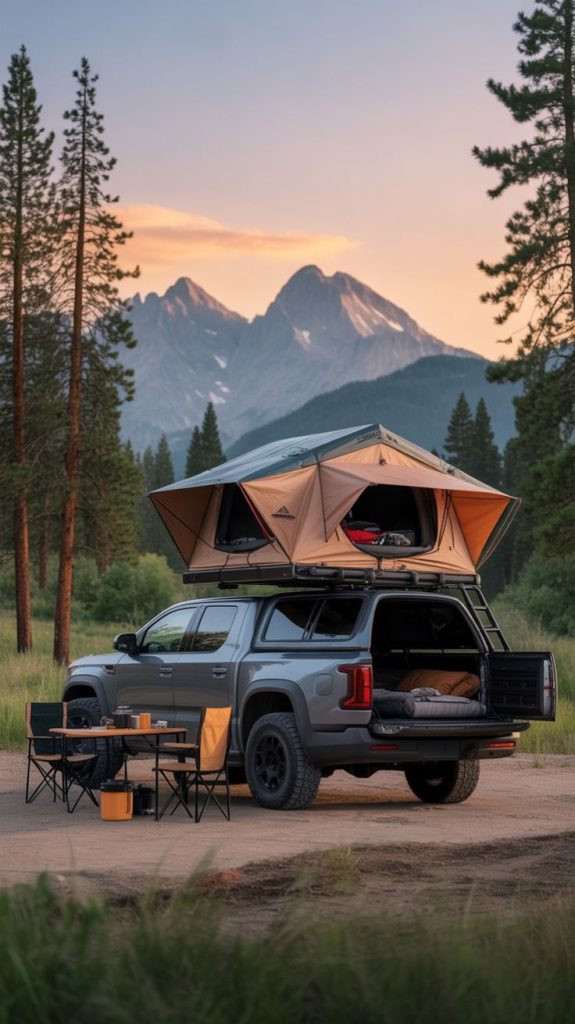
- Cooking gear if you’ve rented a camping-equipped vehicle with a rooftop tent
The honest bottom line
A duffel bag packing list is about you. A vehicle packing list is about the trip itself because out on a park track, the vehicle’s fridge, water, and recovery kit are the actual infrastructure keeping the day running smoothly. None of this needs to be complicated or expensive to arrange; it just needs to be checked and confirmed before you leave the rental yard, not discovered halfway down a muddy track.