If you’re planning a trip to Uganda, you’ve probably hit this question early: do you rent a 4×4 and drive yourself, or book a guided safari with a driver-guide? Both are genuinely good options, this isn’t a case of one being “real” travel and the other being lazy. They just serve different people. Here’s the honest breakdown, no sales pitch.
The case for self-drive
You control the pace. Want to sit at Ishasha for two hours waiting for the tree-climbing lions to move? You can. Want to skip a stop that doesn’t interest you? No group to answer to.
It’s usually cheaper for small groups. Split a 4×4 rental between three or four people and the per-person cost often comes in below a fully guided package, especially if you’re comfortable with basic trip planning.
It feels different. There’s a real sense of achievement in navigating Uganda’s dirt tracks yourself even the drive between parks becomes part of the story, not just a transfer.
The honest catch: you need the right vehicle. A saloon car will not get you through the tracks in Bwindi, Kidepo, or the Ishasha sector you need a proper 4×4 with real ground clearance, and in the rainy season even that can get tested. You’re also responsible for navigation, breakdowns, and knowing park-specific rules before you arrive.
The case for guided safari
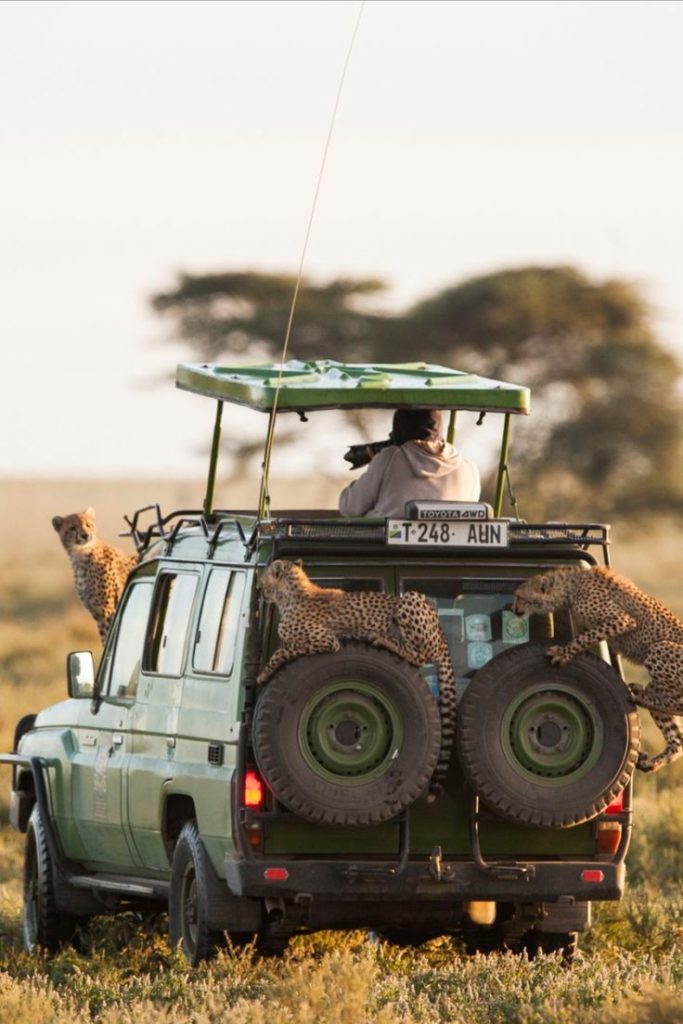
Local knowledge changes what you actually see. A good guide knows where the pride was resting yesterday, reads tracks and alarm calls, and can put you in the right spot at the right time. Self-driving, you’re relying on luck and other travelers’ tips.
Less mental load. Someone else handles navigation, park permits, breakdowns, and the “which turn was that again” moments you get to actually look out the window.
Safety margin. Night driving inside parks is generally restricted for good reason, and a guide who does this daily will make calls around wildlife and terrain that a first-time visitor might not.
The honest catch: less spontaneity, and you’re paying for that expertise and convenience guided trips typically cost more than a self-drive covering the same ground.
So which one actually fits your trip?
Go self-drive if:
You’re a confident, experienced driver comfortable with rough roads and left-hand-side driving
You have flexible time and enjoy the logistics side of travel
You’re traveling with a group that can split vehicle costs
Your route sticks mainly to parks with better road access, like Lake Mburo or parts of Queen Elizabeth
Go guided if:
This is your first time in Uganda, or your first self-drive safari anywhere in Africa
Gorilla trekking is a priority the terrain and permit logistics reward local expertise
You’d rather spend your energy watching wildlife than watching the road
You’re heading into remote parks like Kidepo Valley, where support if something goes wrong is thin on the ground
The option nobody mentions enough: hybrid
You don’t have to pick one for the whole trip. A common and genuinely sensible approach is self-driving the easier, well-traveled stretches say, Kampala to Lake Mburo to Queen Elizabeth and switching to a guided day or two for gorilla trekking or a park like Kidepo where local knowledge matters more. You get the freedom of self-drive without stretching your comfort zone into the trickiest terrain.
Bottom line: self-drive rewards confidence and flexibility; guided rewards expertise and peace of mind. Neither is the “better” way to see Uganda it’s about matching the trip to your driving experience, your timeline, and how much of your headspace you want to spend on logistics versus wildlife.