
Confident self-driver or not, some parks in East Africa simply aren’t the place to prove it. This isn’t about ability it’s about terrain, wildlife density, and rules that exist for good reason. Here’s an honest rundown of where handing the wheel to a local guide is the genuinely smarter move, even if you could technically do it yourself.
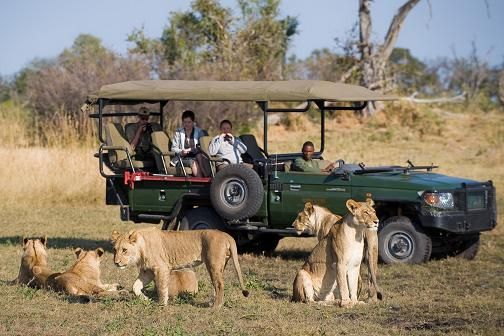
Masai Mara: rules have tightened, and they keep shifting
This is the one to check closest to your travel dates, because the situation has changed more than once in recent years. Unsupervised self-driving across the Masai Mara has been significantly restricted in parts of the reserve, self-drive visitors must now be accompanied by a hired park ranger for the day, and several sources report that some areas of the wider ecosystem no longer permit independent self-drive at all. The private conservancies ringing the reserve Mara North, Naboisho, Olare Motorogi, Ol Kinyei go further still: access is restricted to guests arriving with a licensed, conservancy-registered guide, full stop, regardless of your own driving experience.
Why hand the wheel over here: the terrain is vast and often unmarked, which makes navigation genuinely difficult even for capable drivers, and the rules themselves are actively moving. Given how often reports on this conflict, confirm the current policy directly with the reserve or your rental company before you build a self-drive itinerary around the Mara.
Ngorongoro Crater: legally allowed, practically demanding
Self-driving into the crater itself is technically permitted with the right permits, but this is a case where “allowed” and “advisable” pull apart. The descent is steep, mostly unpaved, and the crater floor sees some of the highest visitor and wildlife density in East Africa buffalo and lion encounters at close range are routine, not rare. Road conditions worsen significantly in the rainy seasons (April–May and November–December).
Why hand the wheel over here: it’s less about legality and more about margin for error. A guide who drives this route regularly reads the crater’s traffic patterns and wildlife positioning in a way a first-time visitor simply hasn’t had time to learn.
Kidepo Valley, Uganda: remote enough that self-drive becomes a different risk profile
Kidepo sits far from other major parks, with genuinely rugged terrain sand, mud, and long distances between fuel and support. Smaller rental vehicles are typically restricted from this route entirely; a proper heavy 4×4 is a requirement, not a preference, and the roads north of towns like Pakwach, Lira, and Soroti stay minimal and rough.
Why hand the wheel over here: it’s not that self-driving is against the rules it’s that if something goes wrong (a breakdown, a wrong turn, a puncture in deep sand) you’re a long way from help. This is exactly the kind of remote park where the honest advice is: only self-drive here if you already have serious 4×4 experience, and consider a guide otherwise.
Serengeti’s roughest corridors and Tanzania’s remote west
The main Serengeti roads are self-drive-friendly, but specific corridors like the washboard gravel stretch toward Seronera genuinely shake a light vehicle apart and demand real ground clearance. Further out, areas like Lake Natron’s sandy, rocky approach roads, or western parks such as Gombe Stream and Mahale near Lake Tanganyika, sit far enough off the beaten path that a breakdown becomes expensive and slow to resolve, not just inconvenient.
Why hand the wheel over here: it’s a cost-benefit call as much as a safety one. The savings from self-driving shrink fast once you weigh them against the risk of an expensive recovery in a genuinely remote area.
Where self-drive genuinely remains the smart, confident choice
To be fair to self-drive most of East Africa doesn’t fall into the categories above. Uganda’s Queen Elizabeth and Lake Mburo, Kenya’s Amboseli, Tanzania’s core Serengeti routes, and most of the accessible savanna parks are well-suited to experienced self-drivers with a proper 4×4. This isn’t a blanket “guided is always safer” argument it’s about recognizing the specific parks where terrain, remoteness, or restricted access change the calculation.
How to decide for your own trip
- Check current park-specific rules before you plan around them. Especially for the Masai Mara, policy has shifted more than once recently don’t rely on an older blog post, including this one, without a final check closer to your dates.
- Match the park to your actual 4×4 experience, not your general driving confidence. Confident highway driving and confident sand-and-mud navigation are different skills.
- Consider a hybrid approach. Self-drive the accessible legs of your trip and bring in a driver-guide specifically for the parks above this keeps most of the independence and cost savings while removing the risk where it matters most.
- When in doubt, ask your rental company directly which parks their own fleet is permitted or recommended for most restrict certain vehicle classes from the toughest routes for good reason, and that restriction is a useful signal in itself.
The honest bottom line: handing the wheel over in these parks isn’t a concession it’s the same judgment call a confident driver makes on any unfamiliar terrain. Knowing where to draw that line is part of being a genuinely experienced self-driver, not evidence against being one.