
There’s a lot of overcautious noise online about traveling alone in Africa as a woman much of it written by people who’ve never been. The honest picture is more useful and, frankly, more reassuring: Uganda is consistently ranked among the safer countries in sub-Saharan Africa for solo and female travelers, and most people who visit alone complete their trip without incident. That said, self-driving alone through remote parks carries specific, practical considerations worth being upfront about. Here’s the real picture, without either the scare tactics or the false reassurance.
The honest starting point
Uganda, alongside Rwanda and Tanzania, consistently ranks among the safer sub-Saharan African countries by measures like tourist-specific crime statistics and solo traveler sentiment. The structured nature of safari travel moving between lodges, parks, and guided activities rather than unstructured city wandering reduces many of the situations solo travelers worry about elsewhere. Inside the national parks themselves, gorilla trekking, chimp tracking, and game drives are conducted alongside armed Uganda Wildlife Authority rangers, which means the wildlife experience itself happens with trained security present regardless of whether you arrived solo.
Where caution genuinely matters more is less about personal safety from people and more about the practical realities of remote road travel and that distinction is worth being clear-eyed about.
Self-drive alone vs. driver-guided: an honest trade-off
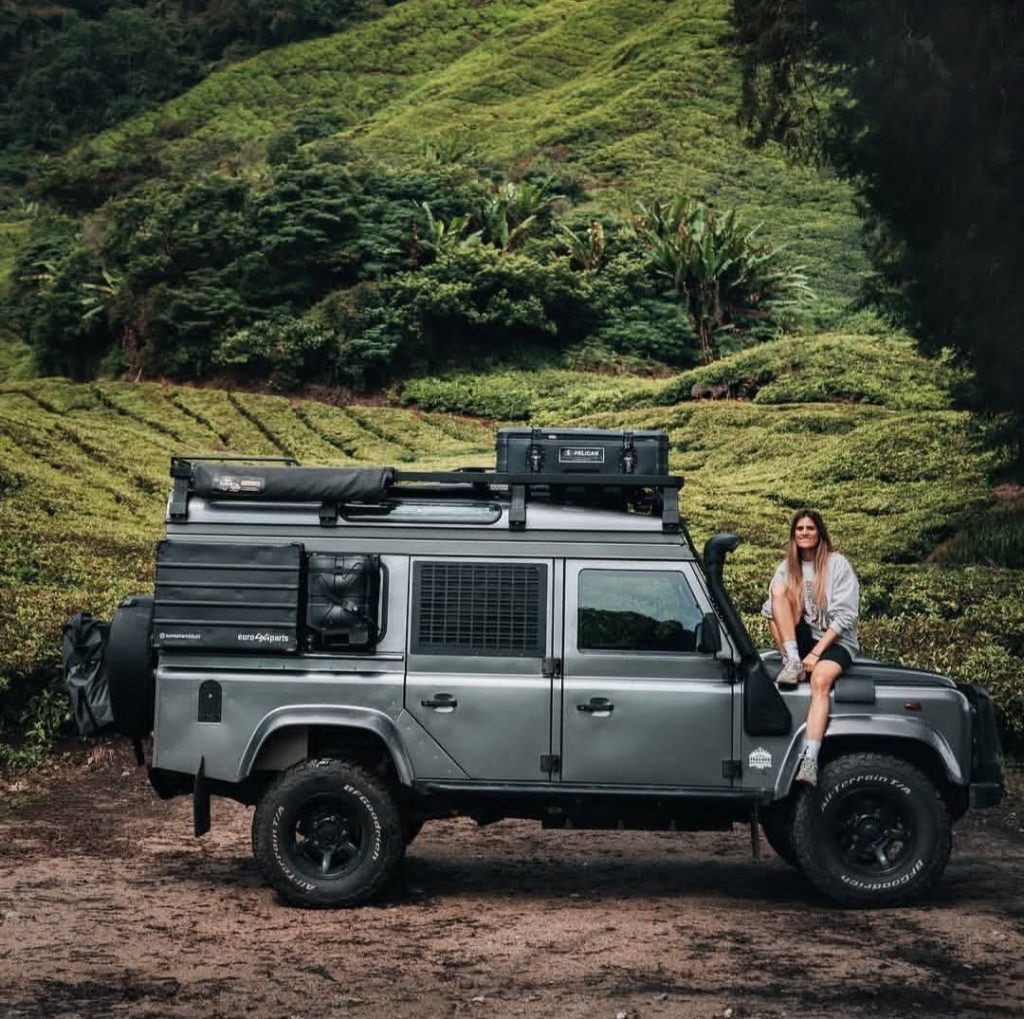
This is the real decision point, and it’s less about danger and more about margin for error. Roads into places like Bwindi or Kidepo Valley can be remote, poorly signed, and rough enough to challenge confident drivers generally solo or not. The specific consideration for a solo traveler is what happens if something goes wrong: breaking down alone on a remote stretch is a meaningfully different situation than doing so with an experienced guide who already knows the route, the local contacts, and the nearest source of help.
A driver-guided safari solves several practical questions at once for a solo traveler: you’re never navigating alone, someone with local knowledge is managing the logistics of the day, and you have one consistent, vetted point of contact throughout the trip rather than relying on strangers for directions if something goes sideways. This isn’t a statement that solo self-drive is unsafe plenty of experienced solo travelers do it, it’s that the calculation shifts when there’s no second person to problem-solve with you.
A sensible middle ground: self-drive the well-traveled, well-signed routes solo, and bring in a driver-guide specifically for the more remote legs Kidepo, Ishasha, anywhere the roads and radio signal both get thin. You keep most of the independence and cost savings while removing the risk where it actually concentrates.
Practical precautions that actually matter
These aren’t about anxiety they’re the same sensible baseline any solo traveler follows anywhere unfamiliar:
- Share your route and timing with someone before you leave your lodge, your rental company, or a contact back home. This is standard remote-travel practice, not Uganda-specific caution.
- Keep valuables low-profile, particularly in busier areas like Kampala’s markets and taxi parks, where petty theft (not violent crime) is the realistic risk profile the same as any capital city.
- Use licensed operators and vetted accommodation. Most lodges and camps across Uganda’s parks are well set up for solo travelers, including women, and many don’t charge the punishing single-supplement fees common elsewhere.
- Dress with the local culture in mind in rural areas modest, practical clothing is both a sign of respect and simply more comfortable for the physical parts of a safari like trekking. This is about cultural fit, not personal risk.
- Carry cash in small denominations for tips and small purchases, so you’re not handling large amounts of money in public.
Where Uganda specifically stands out
A few things come up repeatedly from solo and female travelers specifically:
- Low-pressure hospitality. Ugandans are broadly known for genuine friendliness without the aggressive tourist-targeting sometimes found in more heavily touristed destinations elsewhere.
- Structured days. Safari itineraries naturally limit the unstructured free time in unfamiliar places that tends to be where solo travelers, statistically, run into trouble anywhere in the world.
- Real security presence inside the parks. Ranger-accompanied activities mean the actual wildlife experience the part most people are anxious about happens with professional security around, solo or not.
The honest bottom line
Most solo travelers, including women traveling alone, complete a Uganda safari without incident. The people who do run into problems generally ignored ordinary precautions rather than encountering danger they couldn’t have anticipated. Full solo self-drive into Uganda’s genuinely remote parks is possible and plenty of people do it but going in with a clear-eyed view of where the real trade-off sits (navigation and breakdown risk on remote roads, not personal safety in the parks or lodges) lets you make a sensible call rather than an anxious one. If in doubt, a hybrid trip self-drive where the roads are straightforward, guided for the remote stretches gets you nearly all the independence with meaningfully less of the risk.